
Resources
Application engineering, customization strategy, and integration guidance for industrial OEM products and assemblies.
Use this category to review practical procurement and engineering patterns. Each article is written to reduce ambiguity in RFQ, validation, and production release decisions.
Instead of generic theory, these posts focus on what buyers can send, measure, and approve in supplier communication.
In practical sourcing programs, this category is most useful when its article checklists are copied into internal review templates and then reused in supplier calls, sample sign-off notes, and PO release approvals.
These articles are sorted by publish date and are intended to be used as reusable inputs for your engineering and procurement handoffs.
Need project-specific guidance? Start from Contact / RFQ and include the article links your team is referencing.
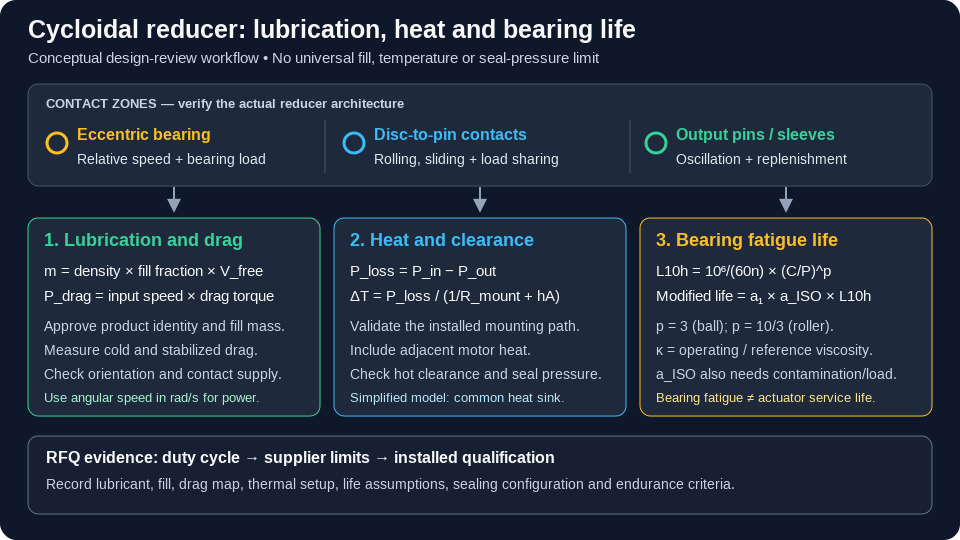
Review cycloidal reducer lubrication, grease fill, thermal losses, and ISO 281 bearing life. Prepare a duty-cycle RFQ for sealed robotic actuator sourcing.

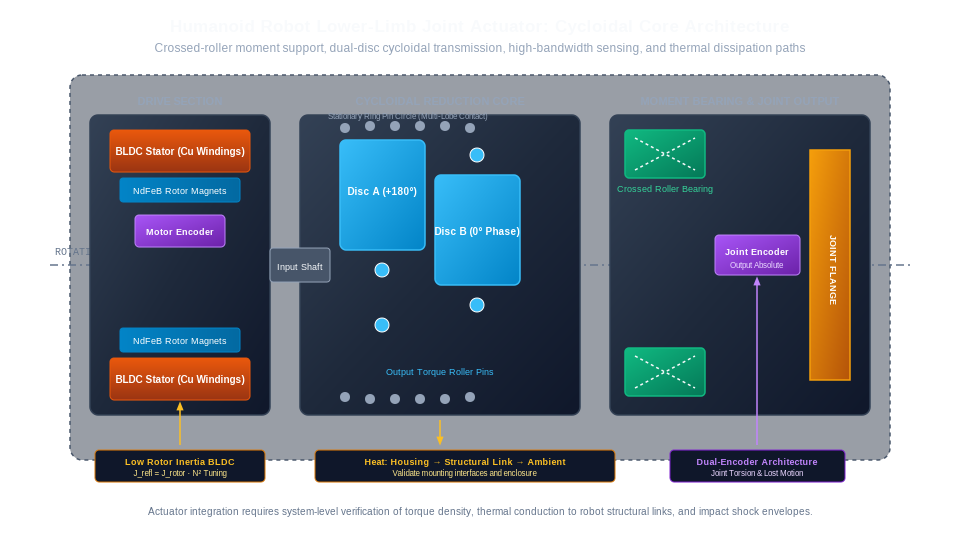
Select cycloidal reducers for humanoid knee and ankle joints: compare shock loads, reflected inertia and sealed-limb heat. Use the RFQ checklist to plan tests.
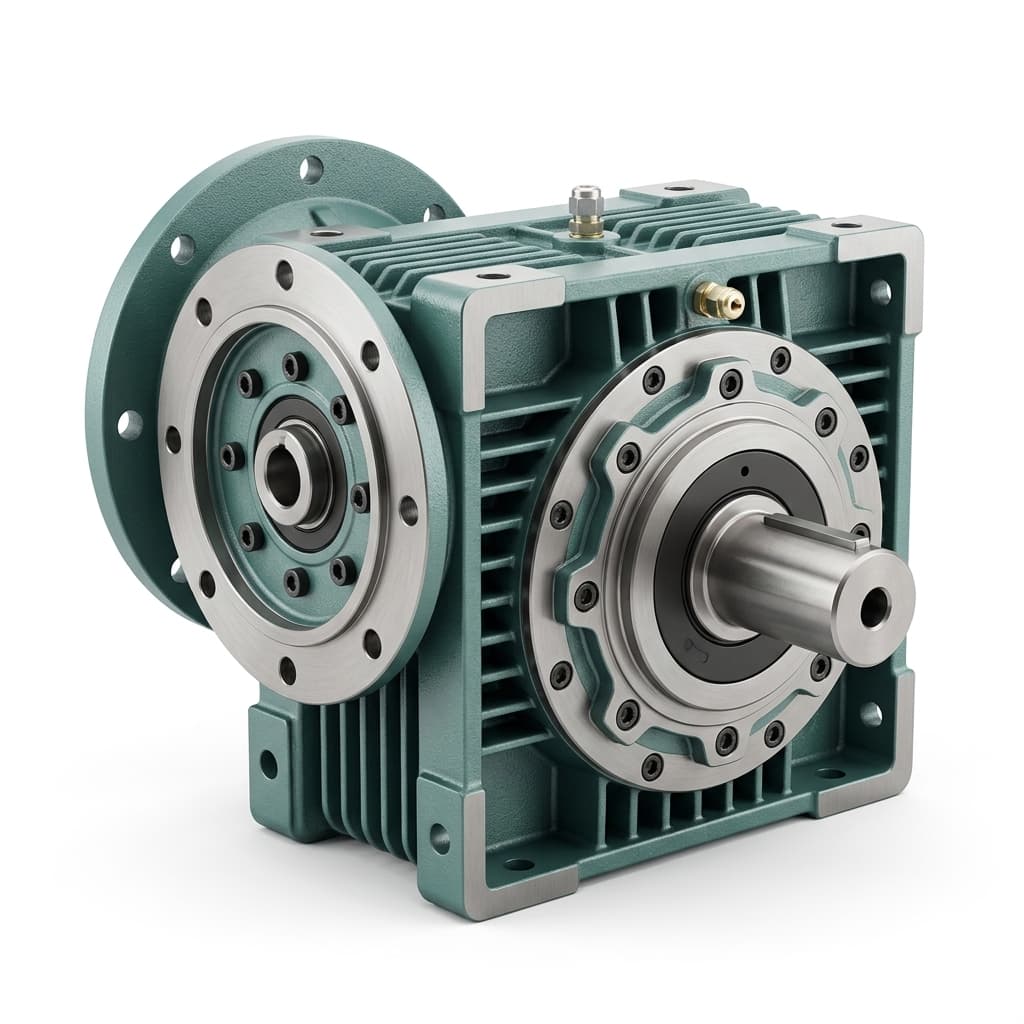
Select micro cycloidal reducers for surgical robotics: compare backlash, stiffness, thermal and sealing evidence, then prepare an application-specific OEM RFQ.
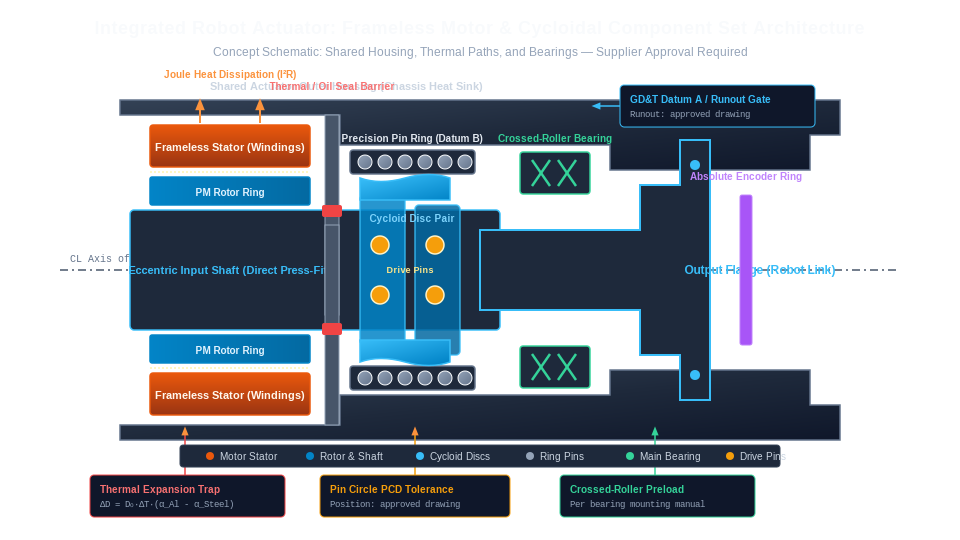
Size cycloidal drive component sets for robot actuators, compare tolerance and thermal risks, and prepare an RFQ with agreed assembly and inspection gates.
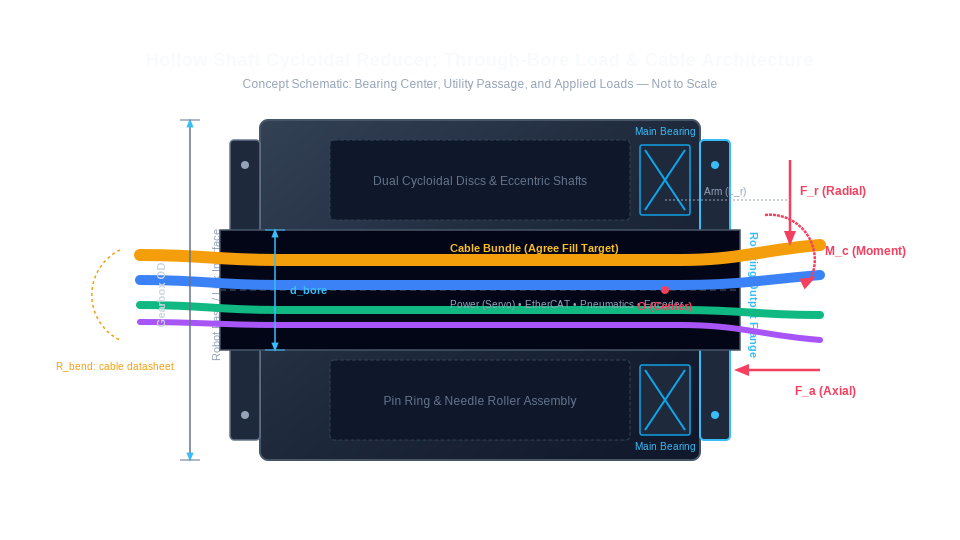
Size hollow shaft cycloidal reducers for robot joints: check cable clearance, bend limits, and tilting moment capacity. Prepare your RFQ for engineering review.
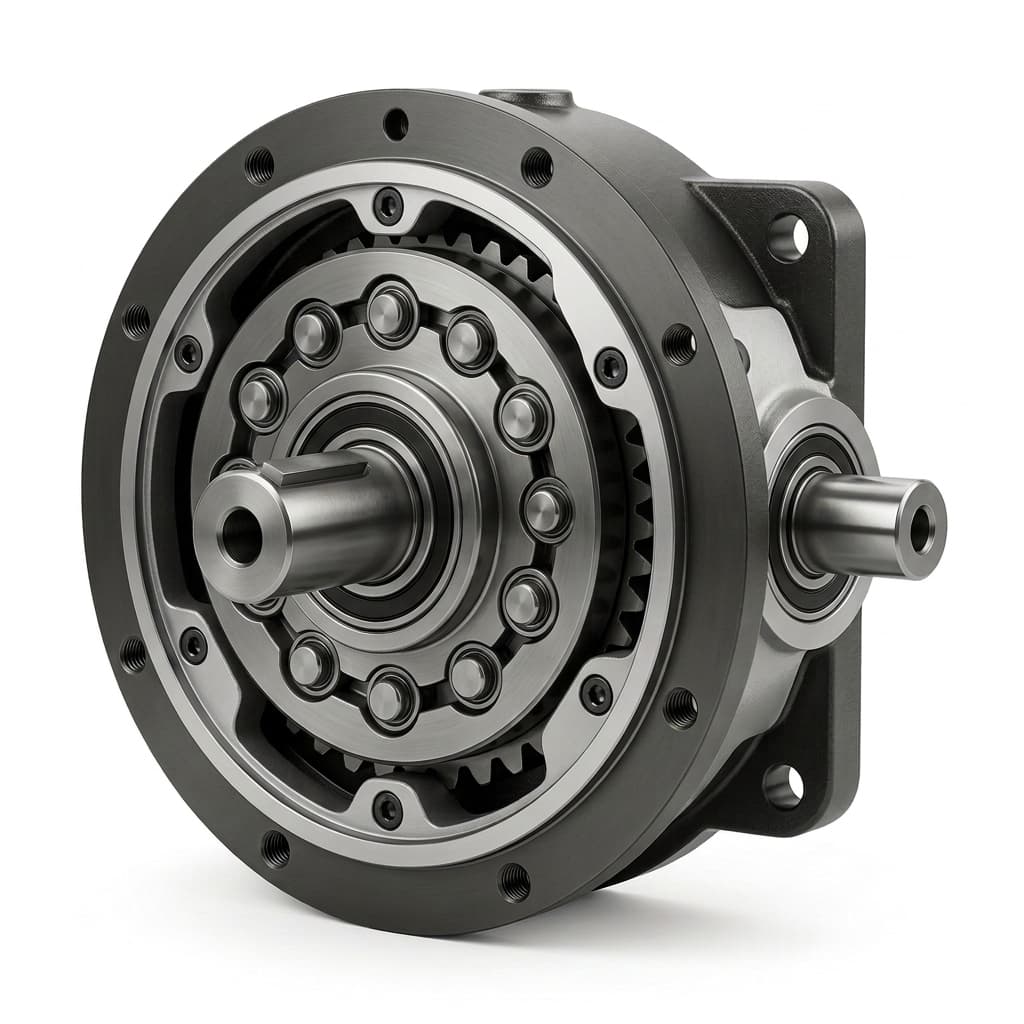
Cycloidal vs harmonic drive for robot joints: compare shock limits, torsional wind-up and fatigue life. Use the checklist to prepare your reducer RFQ.