High-load humanoid, exoskeleton, and compact robot joint axes
Product Selection Logic
Decision Point
Choose When
Verify Before Quote
Next Internal Step
Hollow bore is the first sourcing filter
Best for buyers that need reduction and through-routing in one compact package. Use this path when hollow bore (Sized by cable route and torque class) is more important than starting from a generic gearbox size.
Bore size strongly affects reducer diameter, stiffness, and cost. Include required hollow bore diameter in the first RFQ packet.
Required hollow bore diameter; Ratio, output speed, and torque profile. Confirm drawing revision, quantity, destination, and timeline in the same packet.
A quote-ready RFQ sheet that separates required performance from preferred options.
Engineering fit review
Confirm required bore diameter before reducer size selection. Check output moment load, bearing support, and external fixture design. Record open issues before sample cost and lead time are frozen.
A reducer shortlist and issue log for Hollow Shaft Cycloidal Reducer.
Prototype or incoming validation
Measure hollow bore and moment load against the agreed method. Review bore diameter and bend-radius assumptions before quote.
Inspection and test evidence with pass/fail limits, measured values, and revision actions.
Batch control and export readiness
Output bearing overload: tie the control plan to outgoing inspection, packaging, labeling, and shipment records.
Hollow Shaft Cycloidal Reducer: Evidence slots to review before prototype release.
Use this pack to move a reducer inquiry from catalog interest to buyer-reviewable engineering evidence. The current page can frame the evidence path; approved reports, certificates, and drawings still need to come from the actual model-family review.
Scope
Product evidence path
Source
/products/hollow-shaft-cycloidal-reducer
Verified visual anchors from the current catalog
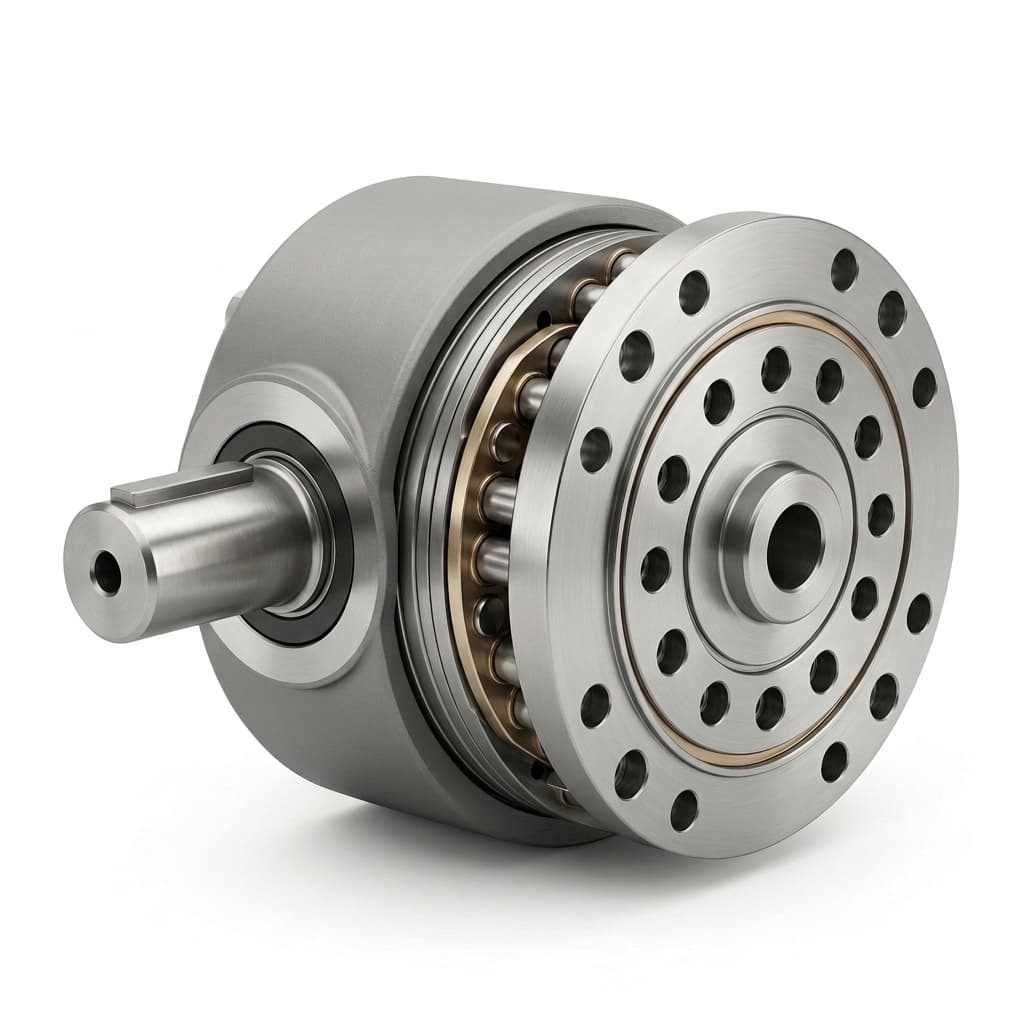
These images support product recognition and envelope review. They are not inspection reports, certificates, or measured test results.
Hollow shaft cycloidal reducer with central bore for cable routing
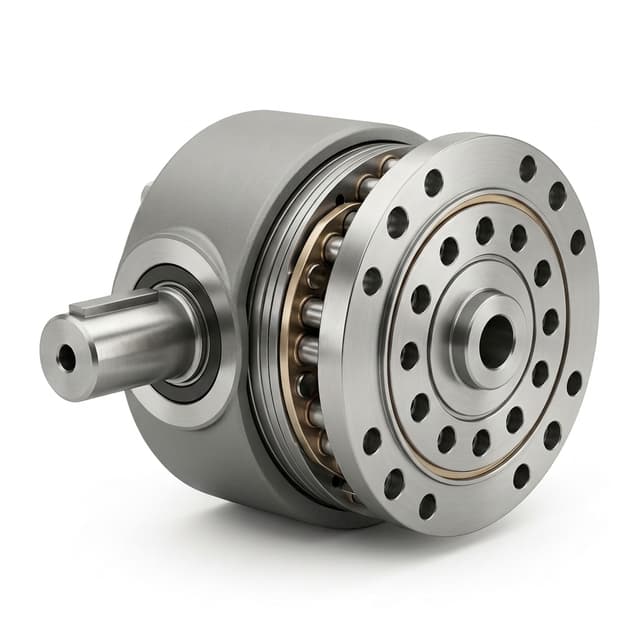
Hollow bore reducer product view for rotary module integration
Cycloidal reducer output-side interface for hollow shaft applications
Machining route
Buyer Review
Tooth profile, pin wheel, eccentric shaft, housing datum, bearing fit, and output interface reviewed as one reducer system.
Artifact to Request
Process photos, CTQ dimension list, approved 2D drawing, CMM or critical-dimension record when available.
Release Status
Requires model-family approval
Material and heat treatment
Buyer Review
Which material route and hardness target apply to this model instead of a generic catalog claim.
Artifact to Request
Material route note, heat-treatment target, hardness inspection field, and sample-lot traceability scope.
Outgoing QC checklist, packaging/export record example, batch traceability field, and approved shipping constraints.
Align before PO
Evidence boundary
No certificate or test result should be displayed until approved. Keep the page useful by showing the review path, then attach real evidence during RFQ or after factory approval.
Missing evidence queue
Real inspection report or CMM export for the selected model family
Backlash curve, no-load torque result, or stiffness test data from an approved sample
Contact-pattern, run-in, or tooth-profile photos cleared for public use
Certification scans only after the factory confirms the exact certificate scope
Customer application photos only after reuse rights are approved
Process photos: requestableMeasurement records: model-specificCAD / STEP: engineering checked
RFQ Checklist
Required hollow bore diameter
Ratio, output speed, and torque profile
Radial, axial, and moment load assumptions
Mounting pattern and output flange drawing
Cable or tube routing constraints
Risk Controls
Cable-route conflict:Review bore diameter and bend-radius assumptions before quote.
Request CAD / STEP availability for Hollow Shaft Cycloidal Reducer
Use this reducer family request when your team needs a model file, envelope drawing, or engineering data before committing layout space. We verify the target family, revision, and release constraints first so buyers do not design around the wrong CAD file.
File release is an engineering check, not an automatic download.
CAD / STEP files are checked against model family, drawing revision, and release scope before sharing.
If a released file is unavailable, engineering can route the request to a 2D envelope, closest reference model, or sample-data pack.
NDA terms, restricted drawings, and buyer-side revision rules should be sent by email so the release path is traceable.
STEP / PDF Availability
Confirm released model files, closest reference family, and file-release constraints before CAD freeze.
Interface Pre-check
Align motor pilot, output flange, hollow bore, cable route, bolt circle, and axial envelope early.
Validation Evidence
Request backlash method, run-in note, inspection fields, and sample acceptance data for the selected family.
Include These Details
Application axis or machine context
Target OD, bore, flange, or envelope drawing
Ratio, rated torque, peak torque, and speed
Backlash or repeatability target
Requested file type: STEP, PDF, 2D envelope, or sample record
Best for quick model availability and file-release checks.
Structured CAD / STEP Request
Submit the minimum engineering context needed for model-file screening and revision-safe follow-up.
Direct RFQ
Send specs for Hollow Shaft Cycloidal Reducer
The form keeps this product family attached to the inquiry so sales engineering can review ratio, torque, backlash, interface, quantity, and delivery assumptions in one thread.
Product Gallery
Hollow bore reducer product view for rotary module integration
Cycloidal reducer output-side interface for hollow shaft applications
Buyer FAQ
Can hollow shaft reducers be used in compact robot joints?
Yes, when bore diameter, torque, backlash, and output support are validated as a single package.
What drawing is most important for RFQ?
The output-side interface drawing is the priority, followed by input speed, ratio, and load data.
Engineering Route
Turn product fit into application and validation steps.
Hollow Shaft Cycloidal Reducer should lead to a clear application review, DFM check, prototype evidence plan, and RFQ handoff instead of stopping at a catalog comparison.